Running Repairs

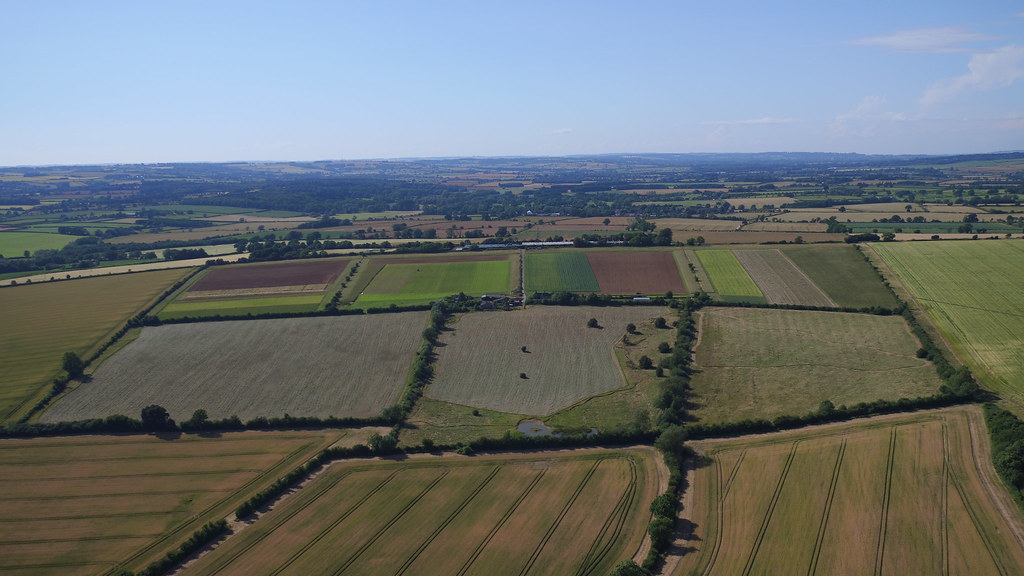
As part of our rotation of fertility building grass leys and cereals, an area of ley is ploughed up every year and planted in the spring with a cash crop to make the most of the soil fertility we have built up over the last 3/4 years. Once the ley is ploughed, it has a pass with a secondary cultivator like this one (pictured) to break up the ground and create a seed bed for a break crop which will be a short term cover of stubble turnips for winter sheep keep and to help the old grass ley to break down before the spring sowing.


However, before cultivating, we made sure the machine would do the best job possible by replacing any worn parts and renewing some of the tines.

We hope to plant the stubble turnips in the coming weeks, weather permitting.

Lost to the Wasps

Sad news this week. On our last inspection there were eggs and brood in WBC Hive 2 but we had to close down the hive entrance to help against wasp attack, as well as putting out some wasp traps. Unfortunately these precautions were not enough to save the colony, which has now been lost. There were more wasps than bees in this hive and the honeycomb has been ransacked of all of its brood. There’s nothing more we could have done, so it’s just one of those things. One consolation is that the wasps hadn't fully emptied the super so we have rescued this and will add it to another hive when the time is right over the coming few months. We have fully closed down the hive now and will wait for the wasps to die off before potentially starting a new colony in this hive.

WBC hive 2 looking a little sorry for itself and full of wasps
Thankfully, WBC Hive 1 still has lots of eggs and brood and is doing well. This hive has almost filled another super so we might be adding another on our next visit. There are now lots of flowering species on the farm, so this should improve the honey flow over the coming weeks.

Here you can see our bumblebird plot in the foreground and the sainfoin beyond
Despite finding the queen on my last inspection we could not find her again this time, even with Chris and his eagle-eye, so she still remains unmarked and unclipped. We are hoping to find her next time around.


The National hive is doing well, with eggs and brood present, and we were able to locate the queen which is great. 


Our National hive standing tall
This hive has also almost filled it's second super, so we expect to be adding another super to this hive on our next visit as well.

Wasps Up?

For the first time I was able to spot our elusive queen in the first WBC hive, and capture her in a photo!


There was also plenty of bees and brood present so this hive is doing very well, as is the second WBC hive which received an established frame of brood and a queen cup last week as prior to this it looked like the queen was lost and the colony was declining fast. The great news is that there are now eggs in the hive, meaning we have a mated queen. I'm sure we will spot her over the coming week or so. Our National hive continues to flourish, with the queen still laying well. It won't be long before we need to add a third super. The bait hive has now been emptied of honey and no doubt the bees have transferred this back to the main hives.

It looks like we have lost the swarm colony which we caught earlier in the year. We had been keeping a close eye on it, hoping that it would survive the cold spring months. We think there was a queen at some point but she seemed to be bringing on only drone (male) bees. Unfortunately during this inspection all I found was a lot of dead bees and the frames look like they have been subsequently eaten out by vermin. Oh well, it is a shame, but you can't win them all. At least our three main hives are doing well.

The only problematic development are the wasps. They’ve been few and far between this year due to the weird spring weather, but they are generally a real issue for beekeepers, especially in weaker colonies. The wasps just walk in and, being omnivores, will rob the hives not only of honey but also of larvae. They can completely wipe out a beehive if not kept in check. We’ve been lucky with this so far, but I spotted a few wasps during this inspection, so it’s time to start protecting the hives. I closed the entrance to the second WBC (the weakest colony) to make it smaller and easier for the bees to defend. I have also set up a few traps. I intend to add more over the coming few weeks. Bees are far more refined and discerning than wasps so the traps can be filled with sugary beer, low quality jam or a solution of vinegar, sugar and water. Wasps love anything like that, but the bees will not touch it.

Instead, they’ll make for the sainfoin, the flowers in our bumblebird plot and any other flowering plants on the farm. The sainfoin, having been cut for hay a month ago has now regrown well in the recent weather and is in full flower again, which is hopefully great news for the honey flow, providing there is enough moisture around for the plants to produce nectar. We now also have our bumblebird plot in flower, the phacelia has come through first with lots of other species like cornflower and sunflower to come through later in the season, so there are plenty of ingredients about for some great honey.

Sainfoin
Bumblebird Mixture (foreground)

Spring Planting Farming Update

As part of our eight year rotation we sow certain areas of the farm each year with cash crops or fertility building leys.

Following our experiment last year with sowing fertility building leys together with a nurse crop of buckwheat, we’ve taken the same approach again. Buckwheat acts as a quick growing and leafy cover and while the ley establishes beneath it, the buckwheat helps to retain moisture and offers shelter from the summer sun. This is important on our south facing, free draining, dry soils. However, we’ve reduced the buckwheat to 10 kilos per acre this year as it was a bit too thick last year at 20 kilos per acre. The buckwheat was drilled to 1.5 cm and in a separate pass, the ley mix was broadcast and harrowed with a consolidating flat roller to finish.


We also established cash crops. Spring wheat was sown at the end of April, undersown with yellow trefoil and white clover to improve fertility and provide grazing once the crop is combined in the autumn. It’s going to be interesting to see whether this has established after slow stunted growth due to lack of rain.


The other cash crop we’ve grown is spring oats. We originally experimented with direct drilling into last year’s yellow trefoil and white clover that was left in place over the winter. The yellow trefoil and white clover was grazed tightly and oats direct drilled with the Aitchison drill at a rate of 250 kilos per hectare in mid April. But the lack of rain has caused havoc. With a year‘s growth under its belt the deep rooting and drought tolerant yellow trefoil and white clover grew back far more strongly than anticipated and swamped out the oats. So several weeks later, and with only a handful of gallant oat plants soldiering on, the decision was taken to plough the field and resow from scratch. The oats are now looking great.


Ryegrass and vetch was sown last autumn, direct drilled into last year’s oats stubble. It provided useful early grazing this spring for sheep. It was ploughed in March and a field scale bird food mixture was established. The dry weather has again taken its toll and the crop is thin. Weeds are present and we are going to decide if we leave the crop in or sow again. Much depends on how much rain is in the forecast.

As part of our ongoing experimentation, we have left four acres of spring barley unchanged since we took over the farm, providing two continuous control plots that let us compare the effect that the new rotational system, with its associated soil improving species and no artificial inputs has on soil health, compared to a high input continuous cereal system.


This is also the first year that we’ll be able to look at the relative costs between the 8 year rotation and the high input, conventionally grown spring barley, which has received standard treatments of fungicides, herbicides and nitrogen.

The wildflower margins are in their third year, running in 12 metre strips around each field. We are seeing a noticeable change in the balance of species present, from early pioneer species in the first couple of years, such as oxeye daisy and wild carrot, to the species that have taken longer to establish, like field scabious, musk mallow and meadow buttercup. They are creating a great habitat for pollinators, insects, hares and ground nesting bird species.


Great sainfoin regrowth 3 weeks after cutting, with very little rain

Sun Queens

We carried out another bee inspection in the heat today. It was 27 degrees, so we took precautions and kept hydrated.

The bees seemed happy enough though. The first WBC, in which we had found eggs and brood last week, is still doing well. There were lots more eggs visible which indicates that the queen is healthy and laying, although she’s proving very elusive and I was still unable to spot her. However, I'm confident that she is in there somewhere and there were no signs of swarming activity. Hopefully I’ll be able to pick her out at the next inspection.


Last time I checked it the second WBC hive was very quiet with no brood or eggs present. Since then Chris kindly visited the farm by himself and introduced a frame of brood, including some partially developed queen cells. I've left this hive alone for now, as the brood needs to have some peace and quiet in order to hatch another queen.

I did check our national hive though, and all is still well. The queen was visible and were lots of eggs and brood, again with no swarm behaviour apparent.


Overall the honey flow does not seem very significant at the moment, but this is likely to be due to the dry period of weather we have been experiencing in recent weeks. Bees are busy on sunny days, collecting pollen, but rain is also crucial. Unfortunately low rainfall results in low nectar production. So while we love the hot and sunny weather we’re hoping for a few rainy days!

Bee Quiet

Our latest bee inspection took place under conditions which were comfortably cooler and calmer than last time.

We have some excellent news from the first WBC hive. The polished brood cells we observed a week ago now appear to have eggs laid in them, which means we were right in predicting that another queen was soon to start laying. Below you can see one of the queen cells that the new queen will have emerged from. Notice the rough edges where the queen has nibbled her way out of the cell. Next time I open this hive I'll search for the new queen, clip her wings and mark her up.


The second WBC is looking very quiet however, with plenty of stores but no brood or eggs visible. I’ll be relying on Chris’s advice about what to do with this hive and it may be that we have to introduce a new queen to rescue the colony.

The donated National hive is still doing well though. The queen was present and laying lots of eggs with plenty of brood visible. Since they have almost filled their first super I have added a new one for them to get to work on. 

Notice the additional super that has been added

The bait hive containing the old honey filled comb from the donated hive is also alive with bees still, which are no doubt still in the process of extracting the honey and transferring it back to the other hives.

So all in all, a good report.

Making Sainfoin Hay While the Sun Shines

In the Cotswolds a hundred years ago, sainfoin was grown in one in seven fields, for hay, forage and soil improvement. It’s almost died out now due to high input farming. However, our high pH of 7.8 and free-draining, brashy soil in the Cotswolds is perfectly suited to Sainfoin, so we decided to grow it, with the aim of producing a hay crop. 


It was sown two years ago, in Spring 2015, into a prepared seedbed, rather than under-sowing with a cereal crop. It was sown at 35 kilos an acre with a cereal drill. Because the plan was always to cut the crop for hay we also sowed it with a low rate of companion grasses, meadow fescue and Timothy, at 3 kilos an acre to help reduce the weeds and increase yield.

It was cut last Tuesday and with good hot weather and a stiff breeze, it was ready to bale after five days. The critical part of the whole operation was to dry the crop without losing the sainfoin leaves which improve the quality and the appearance of the bale, but which can become brittle during the drying process. After tedding the crop out, post mowing ,we used an old-fashioned ‘Acrobat’ with a gentle turning action which worked well.

We’ve produced over a thousand bales from ten acres and we are now looking to sell it in to several specialist markets.

Queen Mothers

During our last inspection, the first WBC hive we looked at (on the right in the photo below) was missing its queen but fortuitously we found her on the ground. Sadly this was not such a happy ending, as even though we introduced her, she’s gone walkabout again. This hive did contain lots of stores and polished brood cells though, suggesting there is a queen either being mated or in the hive somewhere, preparing to start laying. This theory is backed up by the fact that there are two emerged queen cells, one of which had a clear puncture mark suggesting one queen has hatched and killed the other. Let’s hope this queen is successfully mated and lasts longer than the previous one! One of the supers on this hive is full, while the other which I added last week still has plenty of space for the bees to work on.


In the second WBC hive (in the middle of the photo above) we were hoping we would find a new queen and eggs, but instead the hive was very quiet with the majority of the brood frames were filled with pollen and nectar, with no brood or eggs visible. This suggests there is still no mated queen present. However, we did find two large and developed queen cells so hopefully these will hatch and we should have a new queen soon. There is only one super on this hive which is being filled slowly.

We have now completed the bailey comb change on the donated hive by removing the old brood boxes (see before and after pics). 

Note the use of straps to secure the hives in the recent high winds

These boxes do contain a fair amount of honey, but this is mainly early season rape honey and due to the nature of the comb it will be difficult to extract. So we decided to put these frames in our bait hive for now, so that the bees can harvest this and re-deposit it back into the main hive, hopefully in a much tidier fashion! The frames in the bait hive will be more likely to attract any swarms which enter the apiary. 


Bait hive temporarily housing honey-filled frames from donated hive

Back in the main hive brood box, the inspection revealed a healthy queen, lots of eggs & brood and well-drawn frames - the perfect result from our bailey comb change. This hive now appears to be our healthiest, on the grounds that it has a queen and is not trying to swarm!


Notice the nice new brood pattern on these brood frames

Chris also inspected his hives. One has swarmed but the others seem to be doing well with most now having supers on them. It was hot again today, but after having to call ambulance assistance last time, we but we tried to be as efficient as possible, stayed hydrated and took no risks when it comes to avoiding stings!

A Cautionary Tale

Our bee inspection last week took place in thirty degree heat and proved rather eventful!

The first thing we noticed when we arrived were lots of bees hanging from the front of one of Chris’s hives.


We assumed they were just trying to keep cool and decided to leave them be while we got on with inspecting our WBCs. 

The first WBC appeared to have eggs but we couldn’t see the queen. We then noticed a very small cluster of bees on the floor of the apiary two metres away and incredibly one of these turned out to be our queen, just crawling around on the ground. I quickly scooped her up and re-introduced her to the hive. As her wings were clipped, she was prevented from being able to fly away with the swarm and the number of bees still present in the hive indicates that the swarm returned without her. What a lucky find. It’s now a case of watching this space, hoping she settles back in OK.

Our other WBC was the hive we feared may have lost the virgin queen that we introduced a few weeks ago. The inspection this week showed no real progress, no eggs present, but lots of stores, with little or no brood. We did see two large and healthy queen cups so hopefully they will hatch a new queen soon and the hive can get back on track.

We noticed that the cluster of bees around Chris' hive had disappeared from the hive and moved to a nearby tree!


There were lots and lots of bees flying around the apiary too but Chris thought that they might return to the hive after an hour or so, so we carried on with the rest of our inspections.

So to the special measures hive. The Bailey comb change is now nearly complete. We opened the hive and sure enough there were plentiful supplies of honey in the two old brood boxes which were so heavy we could barely lift them.


When we got down to the new brood box I was really happy to see that all of the brood frames had been drawn with comb, with lots of eggs laid and the queen present too. There were also some very pretty pollen stores.


Great news! We added a new super box, with frames and finally a crown board with bee escapes on them, followed by the old brood boxes on top. This will allow the bees from the old brood boxes to travel down into the new brood and super, but not go back up again, meaning we can remove the old brood boxes next time we inspect. Hopefully this will be the end of the bailey comb change and provide our first honey of the year!

As we finished, we turned around to see an enormous amount of bees in the air as the cluster in the tree disappeared. It was fascinating to watch the bees in the process of moving and see how quickly the swarm dissipated.


Back over to Chris' hives and underneath one, on the floor, we noticed another very small cluster. Unbelievably I once again found another queen, just mooching around underneath the hive on the floor. Again I quickly scooped her up and put her back into the hive. Chris will come to take a look over the next few days and see what to do next.

After packing up Elliot and I finished the visit to the farm by talking a walk over to the Sainfoin field which is now in full flower - truly a sight to behold - alive with bees!


Due to all the comings and goings at the hives, we’d been at the apiary all afternoon, in our bee suits in the blazing sunshine, and as I took my suit off I was dive-bombed and stung on my neck, just behind my ear. After several minutes had passed I began to feel very light-headed, and my face was swelling significantly (not a pretty sight). If I’m honest this was quite a scary experience. I’ve been stung before on other parts of the body and suffered no adverse effects so this was a shock. I felt very nauseous and passed out briefly. Elliot called an ambulance and the paramedics explained that the combination of heat stroke (dehydration) and bee venom in such a sensitive area can be dangerous, so my advice to fellow beekeepers is to stay as cool as possible on these warm summer days and make sure you drink plenty of water while working in the heat of the day. It’s common sense advice really but easily forgotten when you are concentrating on other things!

Elliot & I trying to be responsible!

Bee Prepared

My beekeeping mentor Chris Wells always says that ‘the world does not need more keepers of bees, it needs more beekeepers’. It’s easy to see how keeping bees without sufficient training can be stressful, overwhelming, lead to the spread of disease and be potentially dangerous. I've had proper training, yet as a fledgling beekeeper I still I rely heavily on my mentor's advice, and this week his guidance was essential. 

Our first task was to perform a 'Bailey Comb Change'. This is a method of transferring a colony of bees from one hive to another, and onto brand new, clean frames, without losing any valuable brood which has been built up on the old frames.

If you remember from previous posts, a hive and colony of bees were donated to Honeydale by a local supporter but was in dire need of refurbishment and the colony needed a fresh start in a new home. We installed the old hive at Honeydale last year but waited for the warmer weather to transfer the bees. Firstly we had to dismantle the hive and find the queen - which was easier said than done. Chris eventually spotted her with his eagle eyes on the second pass through the frames.


The queen was removed and put in a temporary cage (see below).


The old brood box was put to one side and three frames containing a good amount of brood were placed in the new refurbished brood box. The remaining space was then filled with new brood frames.


After having her wings clipped and her back marked, the queen was then introduced to the new brood box, containing three frames and some of the bees from the old brood box. 


Look carefully and you can see the queen at the centre of the photo
She was then trapped in the new brood box by putting the queen excluder on top of it. 


On top of the queen excluder goes the old brood boxes containing the remainder of the colony and frames. 


The colony will gradually follow the queen by migrating down into the new brood box from the old brood frames. This technique works well because it means all of the brood on the old frames is maintained and allowed to hatch rather than being lost. The newly hatched bees will also travel down into the new box to be with the rest of the colony. Down in the new brood box the bees will (hopefully) set up home and create comb on these new frames.

Two happy beekeepers!

The hive is left in this arrangement for 21 days, which is long enough for any unhatched brood from the old frames to develop as normal and hatch before joining the rest of the family down in the new brood box. The empty old frames and brood box will then be removed and discarded, since they are too far-gone to be re-used.

This will leave the colony in the new hive and on new frames, ready for a new life at Honeydale.

Our next task was to check the swarm I collected last week. Pleasingly, this was looking quite healthy. The bees have done a good job at drawing out the comb on the frames and there are eggs and brood present, although many of the cells seem to be drones, judging by the size of them. We'll see how the colony develops in due course.

We’ve decided to put in place a 'bait hive' to save us the hassle of having to catch any more swarms. A ‘bait hive’ is basically an empty hive which contains some old frames which still carry the scent of the queen. If the apiary attracts any more swarms, or if any more of our own hives swarm, then hopefully the swarm will find the empty hive and set up home there instead of a nearby tree or hedge.

Chris and I also carried out inspections on all the other hives. One of our WBC's has been busy behind our backs! We couldn't see the queen anywhere and the presence of many MANY queen cells suggests the hive has swarmed. I must have missed a queen cell on my last inspection, annoyingly. However, the swarm looks like it has exited and then re-entered the hive in the absence of its queen. She would have tried to leave the hive with the swarm but would have been unable to do so, since she had her wings clipped, so ultimately she’d have been lost. Though it’s a real shame to have lost the queen, the good news is that we don’t appear to have lost any other bees.

We removed all but three of the queen cells, one of which emerged whilst we were watching! This virgin queen will most likely dispatch the other queens in their cells and become the new matriarch of the colony. We'll catch up with her next time, mark her up with this years yellow spot, and clip her wings after she has mated and started laying eggs.

The other WBC was doing well. I found the queen and she seems to be laying. Both WBC colonies seem to have a good amount of stores in their first supers. This is taking a while to build because the cold dry weather severely affects the honey flow. No moisture and low temperatures equal little or no nectar produced by the plants on the farm.

Chris' hives are all doing well too, including the five colonies he switched from nuc boxes into proper national hives. These pre-establish colonies had good stores and though one has swarmed it’s still in good shape. 

 
It’s been a busy week but a very satisfying and fascinating one, proving how rewarding bee-keeping can be, as long as you are well-trained and have an experienced mentor like Chris to offer advice and support in the early days. Sorry this post has been such a long one, but hopefully you will find reading about our experiences useful in the future - I’m hoping my next inspection and blog post will be a lot simpler!