Mid-winter and with a cold spell forecast, Elliot is about to start daily feeding at a rate of 10kg per day from next week, to make sure the farm birds at Honeydale have plenty of food to see them through.

Elliot has noted that finches (Gold, Chaf and Green), Wood Pigeons, Blackbirds and Dunnocks have been using the patch for forage and the usual suspects (Tits, House Sparrows, Robins, Yellowhammers) are also visiting the feeders hung in the trees. He’s also spotted two pairs of Bullfinches and two pairs of Siskins in the hedgerow between the bees and the orchard.
Due to the time that Elliot feeds them - 9am when the seed left the previous day has all but been consumed - it’s proving difficult to spot more diverse species so Elliot’s plan is to create a viewing vista around the feeding area from which he can observe the species feeding at dusk.
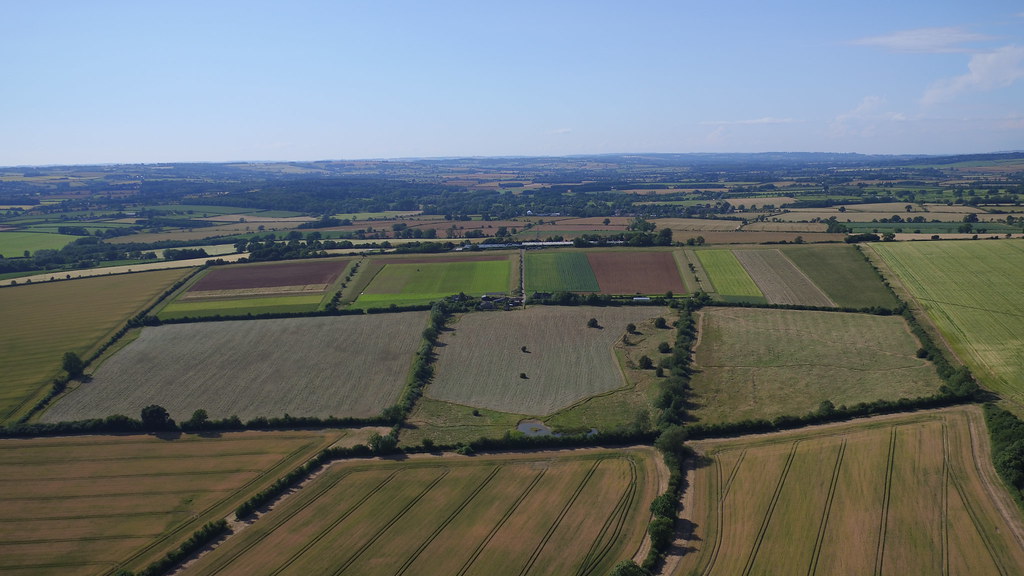
In partnership with other Oxfordshire farms, we’re conducting an experiment over the next few months to determine the best way to provide food to support farmland birds during the winter hungry gap. We’re comparing the effectiveness of growing wild bird plant mixtures, compared to regularly distributing extra supplementary bird food. Both of these feeding options are available as farmland stewardship options so we want to find out which has a more positive effect on farmland bird numbers.
The farmland stewardship options are part of the UK Government’s commitment to reversing the long-term decline in the number of farmland birds. The UK Farmland Bird Indicator is made up of 19 species that are dependent on farmland, and not able to thrive in other habitats. The turtle dove, grey partridge, corn bunting and tree sparrow have declined by over 80 per cent and the overall average change for the 19 species is a 48 per cent decline since 1970.
The aim of supplementary feeding is to provide a regular, constant source of food as a lifeline for farmland birds, all the way from early winter to mid spring.

At Honeydale the standard wild bird plant mixtures of seed bearing species like quinoa, fodder radish, cereals and mustard will be used as a control, to show the numbers of farmland bird species that use it as a food resource. We’ll also be looking at how long these plants provide seed into the winter months. Ideally, this resource would provide seed from December to March, however in reality they are often exhausted and depleted by mid winter.
Supplementary bird feeding is a newer idea, whereby farmers distribute bird seed regularly, in specific areas which are often within the blocks of wild bird plant mixtures.
We will monitor both the control plots and the supplementary feeding area to count the numbers of birds and diversity of bird species using the resource.
The supplementary feed will be distributed every 2-3 days to begin with and by late December it will be provided every day.
Richard Broughton of CEH conducts regular bird surveys at Honeydale and will be monitoring the effects of the project, while the day to day feeding programme will be handled by Cotswold Seeds’ Warehouse Manager Elliot May. Elliot has had a keen interest in birds for many years, so he jumped at the chance to take on the supplementary feeding project at Honeydale! Having a great eye for identifying bird species both feeding and on the wing, he is the ideal candidate.
This week Elliot hung up two large seed feeders in the blackthorn hedge, which will provide songbirds with protection from predators such as sparrowhawks. The feeders were filled with a Hungry Gap Mix from Well Fed Birds containing wheat, barley, black sunflowers, millet, red millet, canary seed and linseed. A ton of this seed has been purchased, to last for 100 days. Ground-feeding birds such as linnets, blackbirds and fieldfares are also being catered for. Ten kg of the seed was also hand-distributed over a strip of the Summer Quick Fix rapid cover mixture, an area of which was flattened as a feeding area several weeks ago.
Elliot observed blue tits, great tits and a solitary yellow hammer while he was setting up the feeders, but we hope to see more birds on the farm once they have had time to realise there is a regular food supply here. Watch this space!
Paul visited the Honeydale hives this week to check that the bees were busy preparing for the cold winter months. Due to the sunny weather they were still flying and making use of the remaining flowers on the farm Both of our WBC (traditional white) hives have strong colonies, they are are a little sluggish now due to the colder weather, which is to be expected, because of the temperature change. The good news is that both hives also have plenty of stores. Brood box stores are good in both the hives, and hive 2 also has almost a full super of honey to last the winter. Hive 1 has slightly less honey but we can always feed them fondant over the winter if necessary.
During the visit Paul also took the opportunity to fit slider mouse-guards to both hives to help prevent the risk of small mammals helping themselves to the bee's hard-earned honey as the weather gets cooler and they become more desperate for food.
Chris Wells’s 5 hives also seem to be doing well considering they were installed only a few months ago - it'll be next year before we expect to see a honey harvest from them.
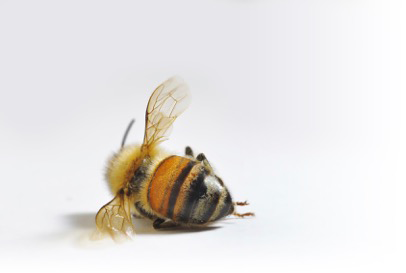
Things don’t always go to plan though, and unfortunately we have a bit of bad news. The swarm box containing the small colony of bees we rescued from the apiary earlier in the season has collapsed and Paul was faced with a box of dead bees which was very sad to see and such a shame, especially considering we had previously discovered a laying queen in the box. This just goes to show how vulnerable small colonies can be and the importance of a good run-up to the winter to achieve a healthy population and good stores.
We’ll be checking in on all the surviving colonies in couple of weeks before the winter really sets in, to make sure they have everything they need.
.png)